Academic Staff
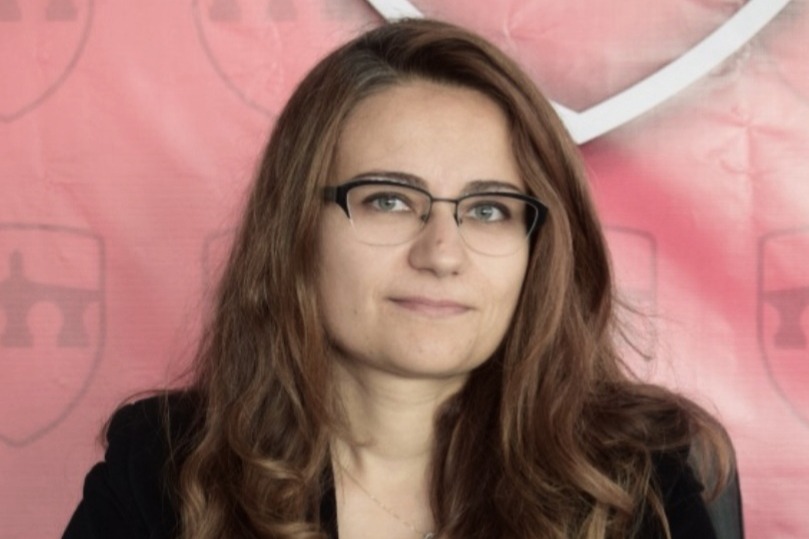
The Master's program in Computer Engineering offers advanced knowledge and a research-oriented approach in the fields of hardware, software, and intelligent systems. The program prepares students for the design and development of innovative computer technologies, including embedded systems, networks, artificial intelligence, and security solutions. Graduates are equipped for leadership roles in industry, research, and academia.
Informatics
Computer Engineering and Informatics
Information Systems and Networks
Makedonsko-Kosovska Brigada 9 br.29 Skopje - Cair,
Skopje/North Macedonia
+389 2 55 15 000
+389 2 26 00 004
+389 2 55 14 888 (for students)
info@ibu.edu.mk

Mevlana Caddesi, Tercuman Sitesi, A7 Blok
Daire 18, 34015 Cevizlibag-Zeytinburnu/Istanbul
+90 212 706 66 57
+90 532 453 14 28
0 850 242 242 8
istanbul@ibu.edu.mk

